
Enlarged Prostate (BPH) Treatment in Marathahalli, Bangalore
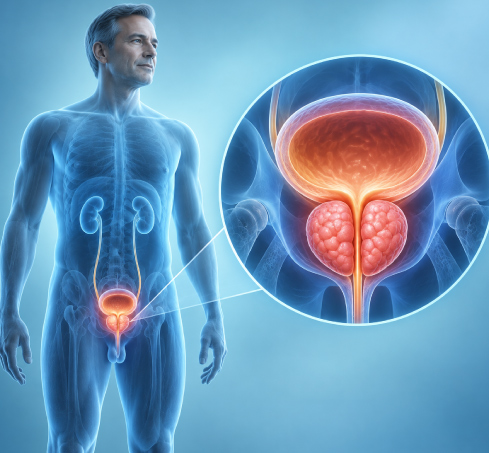
Enlarged prostate treatment in Marathahalli, Bangalore aims at dealing with urinary issues resulting from Benign Prostatic Hyperplasia (BPH). This is a medical condition where there is growth of the prostate gland, which is not cancerous. It becomes more common with age and can cause urinary problems.
The enlarged prostate symptoms include weak urine flow, difficulty initiating urination, increased frequency of urination, the urge to urinate and nocturia. If these symptoms continue, they may affect your sleep and lifestyle. Individualised treatment depends on the comprehensive urological evaluation of symptoms, prostate findings, and overall health.
What Is Benign Prostatic Hyperplasia?
Benign Prostatic Hyperplasia is a condition associated with the development of the prostate as a result of ageing. As the prostate enlarges, it causes pressure on the urethra and interferes with the passage of urine from the bladder. BPH is distinct from prostate cancer and does not predispose to it. In some situations, however, the problem may interfere with proper bladder function and, in serious cases of obstruction, even cause kidney problems.
Whether to treat BPH depends on the symptoms and how much it affects urination.
Symptoms of an Enlarged Prostate
An enlarged prostate may cause:
- Weak urine stream
- Difficulty starting urination
- Straining while urinating
- Interrupted urine flow
- Frequent urination
- Sudden urinary urgency
- Night-time urination
- Feeling of incomplete bladder emptying
- Urinary dribbling
- Inability to pass urine
Sudden inability to urinate requires prompt medical attention.
How Is an Enlarged Prostate Diagnosed?
Diagnosis starts with a review of the patient’s medical history and urinary problems, followed by a physical examination. A doctor might also perform a digital rectal examination. According to symptoms and clinical findings, diagnostic procedures may include:
- Urinalysis
- Tests for kidney function
- Prostate-Specific Antigen (PSA) blood tests
- Ultrasound
- Measurement of prostate size
- Post-void residual urine testing
- Uroflowometry
- Cystoscopy where necessary
This helps determine the cause of the symptoms and the level of obstruction.
Enlarged Prostate Treatment Options
Enlarged prostate treatment is selected based on symptom severity, prostate size, urine-flow rate, and residual urine volume. Doctors also consider urinary retention, recurrent infections, bladder stones, kidney function, response to medicines, and overall health.
Medical Treatment for BPH
Mild symptoms may be managed with observation, lifestyle changes and appropriate bladder habits. Follow-ups help determine whether symptoms are stable or worsening.
Drugs may be administered for the improvement of urine flow and reduce the size of the prostate gland. Treatment depends on the individual assessment.
If symptoms persist despite medication or complications arise, doctors may consider surgery. This forms part of BPH treatment in Marathahalli for patients who require a procedural approach.
TURP – Transurethral Resection of the Prostate
TURP is an endoscopic procedure used to remove prostate tissue that is blocking urine flow. The surgical instrument is passed through the urethra, so there is no external incision. The surgeon removes the obstructing tissue to improve urine flow. The procedure is performed under anaesthesia and usually involves a temporary urinary catheter and hospital observation. Recovery varies between patients. Follow-up is needed to assess urinary function and monitor recovery.
Laser Prostate Surgery
Laser prostate surgery is an endoscopic approach in which laser energy is used to remove or vaporise prostate tissue causing urinary obstruction. It can be considered for selected patients based on prostate size and clinical findings.
No external incision is needed, although a temporary urinary catheter may be required. This is done under anaesthesia, and recovery time might vary depending on the method used and the patient’s condition.
A prostate specialist in Marathahalli can assess the prostate and urinary symptoms before deciding whether laser treatment or another procedure is appropriate.
Evaluation of High PSA
A high PSA level is a finding that requires further evaluation; it is not a diagnosis of prostate cancer. PSA can rise for several reasons, including BPH, prostatitis, urinary infection and recent urinary procedures.
PSA test results will be reviewed in conjunction with variables like age and prostate volume. The physician may recommend doing another PSA when necessary, including a digital rectal exam or imaging of the prostate.
Magnetic resonance imaging (MRI) may be recommended when needed. In cases of high likelihood of prostate cancer from the evaluation, a biopsy of the prostate is recommended. This assessment depends on the level of risk.
Prostate Cancer Diagnosis and Management
If prostate cancer is suspected, the doctor reviews:
- Medical and family history
- PSA levels
- Digital rectal examination
- Multiparametric MRI
- Prostate biopsy, when required
- Histopathology findings
- Cancer grade and stage
- Risk classification
Treatment depends on the type, stage and risk of the cancer. Treatment may vary depending on the cancer type, stage, and risk factors involved. Possible treatment modalities include surgical treatment, radiation treatment or systemic treatment. The patient may also be referred to relevant specialists for treatment planning.
Recovery and Follow-Up
Post-prostate treatment recovery depends on the type of treatment that you received and on your general state of health. In some cases, you will require a temporary catheter. Some pain during urination and blood in your urine are expected.
Follow your doctor’s instructions regarding medications and fluid intake. Keep follow-up appointments to assess your progress and monitor PSA levels when needed.
Why Choose Dr Sanhitha Purushotham for Prostate Treatment?
Dr Sanhitha Purushotham, Consultant Urologist, MCh (Urology), has years of experience in caring for patients with prostate and urinary problems.
- Evaluation of prostate and urinary symptoms: She evaluates disorders including decreased urine stream, frequency of urination and difficulty in passing urine.
- BPH treatment planning: Observation, medication, or surgery as the treatment for enlarged prostates is done after careful planning.
- Expertise in performing endoscopic urological procedures: Dr Sanhitha performs various complex endoscopic surgeries on patients without incisions through the urinary tract.
- Laser prostate surgery: Laser surgery is also available for patients who qualify for this treatment.
- High PSA assessment: High levels of PSA are assessed through advanced methods for identifying whether there is a need for further testing.
- Prostate cancer diagnosis and treatment: Proper diagnosis is kept as a high priority, and treatment of suspected or confirmed prostate cancer is provided, along with supportive care and consistent follow-ups.
For prostate treatment in Bangalore, patients can undergo evaluation to understand the cause of their urinary symptoms and discuss suitable treatment options, including enlarged prostate treatment in Marathahalli, Bangalore.
Frequently Asked Questions